Schools Shape More Than Learning
Every weekday, millions of students spend the majority of their waking hours inside school buildings—spaces that quietly shape their health, their learning, and their sense of what the future can look like. These spaces affect everything from memory and concentration to overall mental and physical health.
Yet many school facilities across the country are aging and underperforming. The average U.S. school building is nearly 50 years old, and in Pennsylvania, that number climbs closer to 70. As buildings approach or exceed their intended lifespan, students and staff face increased exposure to hazards such as asbestos, lead, formaldehyde, radon, poor indoor air quality, and emerging chemicals of concern like PFAS. More than half of U.S. schools need to update multiple building systems.
This reality represents a pivotal chance for transformation.
School buildings are one of the few remaining truly public assets. When designed and operated with intention, they can do far more than avoid harm—they can actively model ecological care, climate action, and community resilience. Schools can demonstrate to students that climate change, environmental degradation, and inequity are not abstract crises, but challenges we are capable of addressing together.
A New Paradigm for School Buildings
This shift—from doing “less bad” to creating positive impact—is at the heart of the Living Building Challenge (LBC). The LBC offers a holistic framework for designing and operating buildings that support human and ecological health, prioritize equity, and inspire joy and connection.
Living Buildings show what is possible. They connect students to daylight, fresh air, healthy materials, and nature. They demonstrate how renewable energy and water systems work. They model responsible material cycles and explicitly support a just and equitable world. Most importantly, they can reframe school buildings as active participants in education—spaces that teach by example.
The 2025 Living Future K–12 Public Schools Cohort
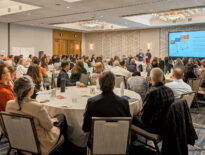
In 2025, with generous support from The Heinz Endowments, Living Future partnered with four public school districts in Pennsylvania to explore how Living Building Challenge principles can be implemented in real-world K–12 settings. Participating districts included Pittsburgh Public Schools, Woodland Hills School District, Green Woods Charter School, and William Penn School District.
Living Future worked closely with district leaders and facilities staff through a three-part training series focused on regenerative design, zero energy and zero carbon strategies, and healthy materials. An advisory group of experienced K–12 and regenerative design professionals helped guide the work and ground it in practical, actionable solutions.
In addition to training, Living Future conducted targeted feasibility assessments for districts with active or planned capital projects, identifying near- and long-term opportunities to improve material health and energy performance.
Key Takeaways
Healthier Materials Are Within Reach
One of the most consistent and encouraging insights from the cohort was how achievable healthier material choices are for schools.
Even without new construction, districts regularly replace flooring, ceiling systems, insulation, paint, and other finishes. These routine upgrades represent meaningful opportunities to reduce exposure to toxic chemicals—especially for children, who are more vulnerable to environmental hazards.
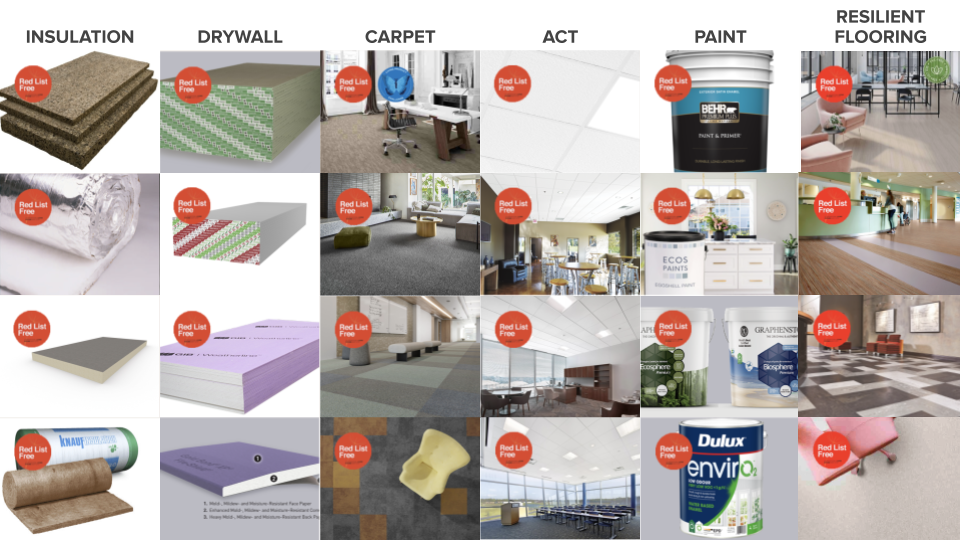
Living Future identified several product categories where Red List Free options are widely available, cost-effective, and easy to specify, including insulation, drywall, carpet, acoustic ceiling tile, paint, and resilient flooring. Tools like Living Future’s Declare database make ingredient transparency accessible, allowing school teams to confidently and efficiently choose products that support healthier indoor environments.
These small but intentional steps can meaningfully improve air quality, reduce health risks, and build momentum toward more holistic regenerative goals.
Living Schools Are Already Happening
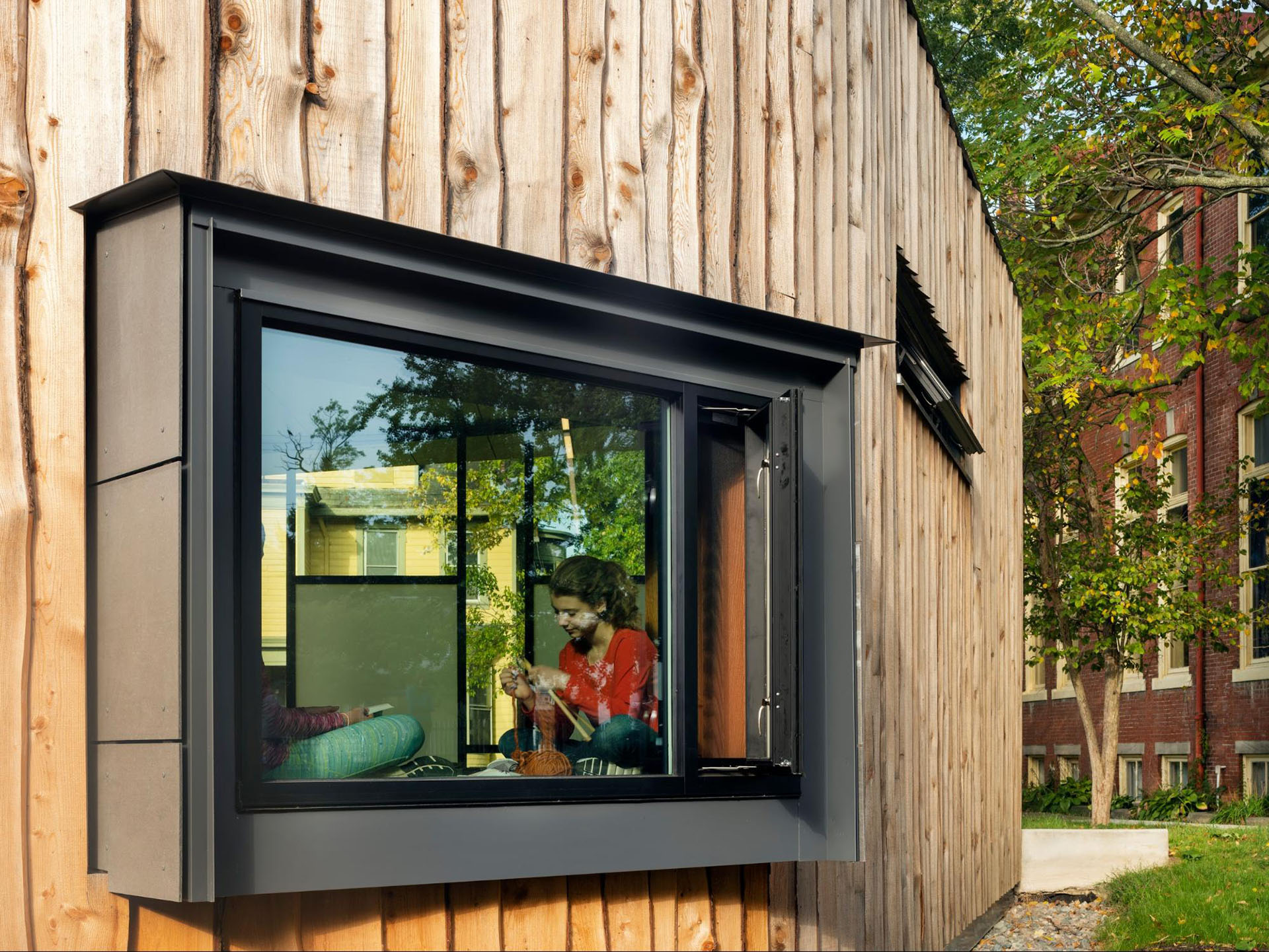
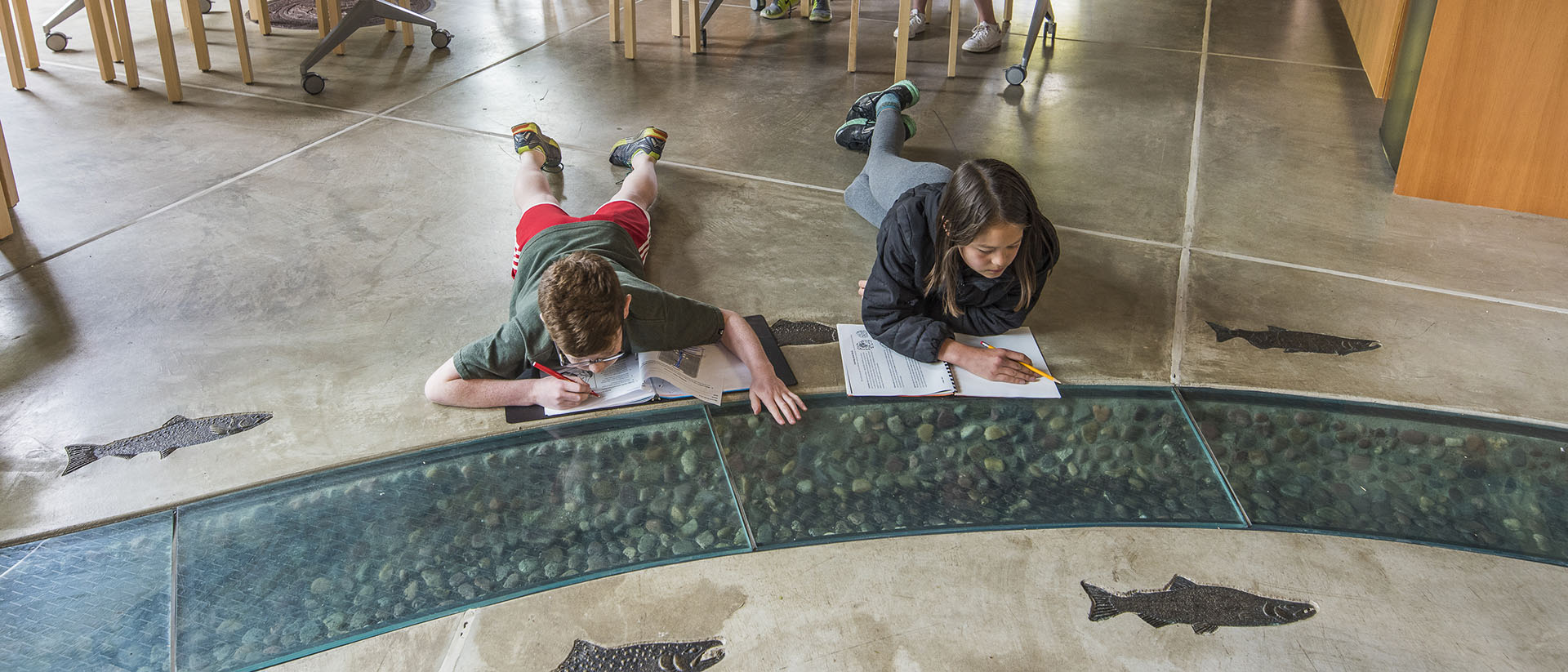
Living, regenerative schools are not a distant vision—they already exist. Projects such as the Heartwood Annex at the Waldorf School of Pittsburgh and the Bertschi School in Seattle demonstrate how biophilic design, healthy materials, and high-performance systems can come together to create inspiring, educationally expressive environments.
Importantly, there is no single starting point. For some districts, the first step may be specifying Red List Free materials during routine maintenance. For others, it may be pursuing zero energy for a new addition or reimagining outdoor spaces to bring nature into daily learning. What matters is beginning—and knowing that support, tools, and proven examples already exist.
Join the Movement for Living Schools
Students learn from everything around them, and especially from the buildings they inhabit every day. When school environments model health, resilience, and care for the world, they help cultivate a generation equipped to lead meaningful change.
Read the full report, Advancing the K–12 Sector Towards a Regenerative Future, to learn more about the cohort, key findings, and practical next steps for creating living schools.