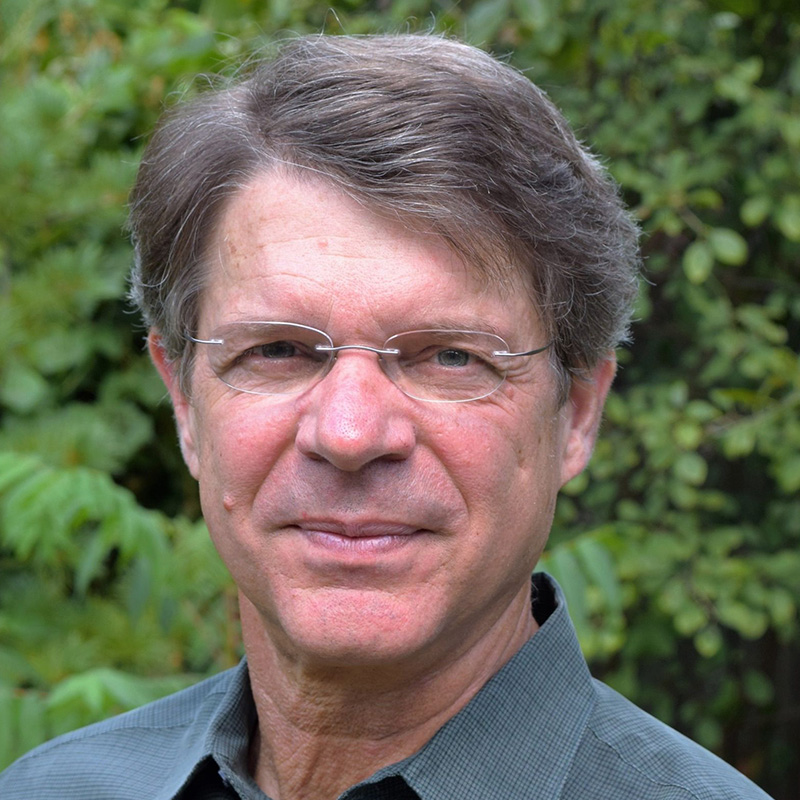
Talking with a Hero about Regenerative Thinking: A Conversation with Richard Piacentini
Mary Adam Thomas
|
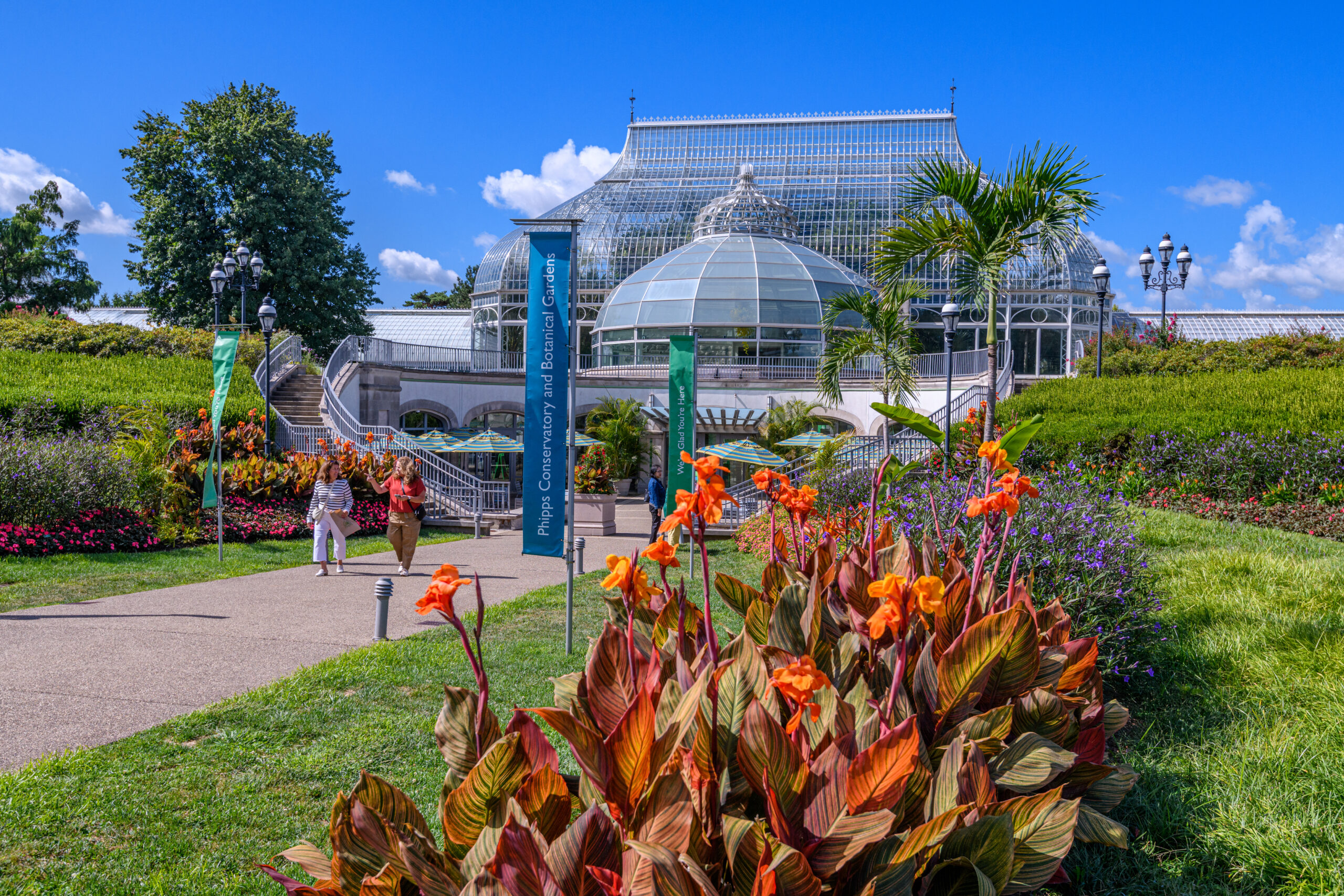
Richard Piacentini’s “napkin sketch” story serves as a metaphor for profound change. It goes like this: Back in 2006, Piacentini traveled to Denver to attend the USGBC Greenbuild conference. As president and CEO of Phipps Conservatory and Botanical Gardens in Pittsburgh, he was leading the effort to green up his organization’s campus. Rough plans were in place for a new LEED Silver structure at Phipps, but Piacentini couldn’t shake the feeling that they could create something even more profound with the project. On his flight west, he scribbled some ideas for a more high-performing and self-reliant building on his napkin, then tucked the paper away in his pocket. Two days later, he met Jason F. McLennan, who described the Living Building Challenge (LBC), which he’d just introduced to the Greenbuild audience. That, Piacentini realized, was what was missing from Phipps’ plans for its new structure. The LBC connected all the pieces on his napkin sketch, validating Piacentini’s instincts and giving life to his vision for Phipps.
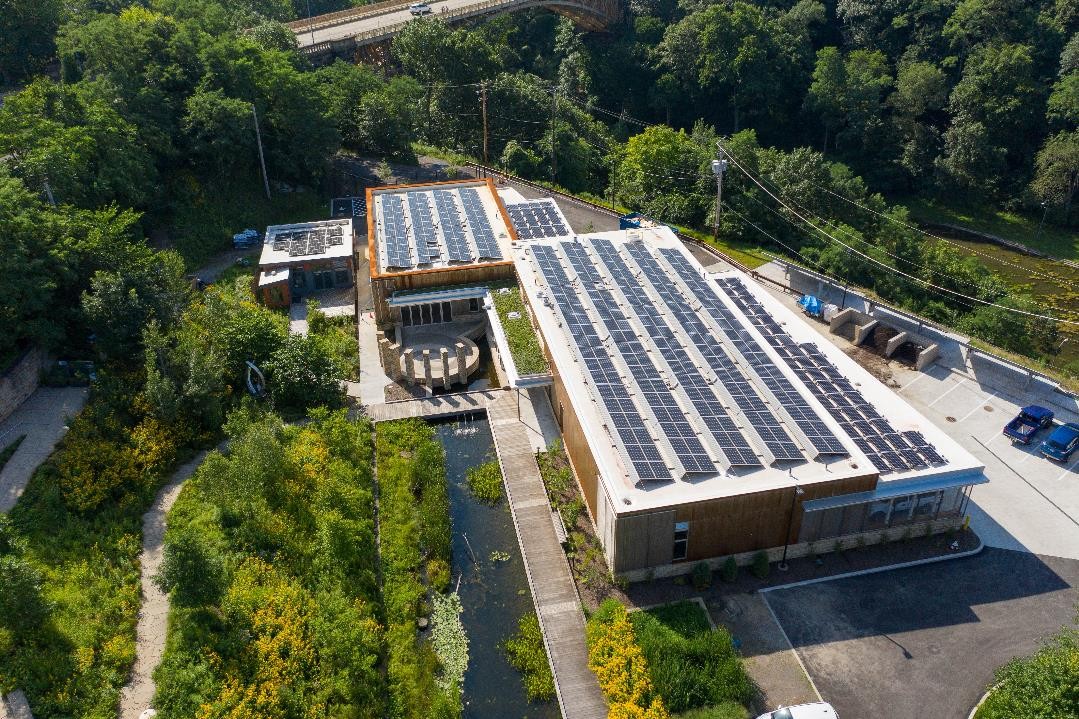
In the twenty years since, Piacentini has become recognized as a Living Building Challenge pioneer. He has led the Phipps campus into its regenerative phase, anchored by the Center for Sustainable Landscapes (CSL) – the subject of his sketch, which became one of the world’s first certified Living Buildings in 2015. Next came Phipps’ Nature Lab (Petal-certified for five performance areas in 2017) and the Exhibit Staging Center (certified as a Living Building in 2023). In addition to serving on the board of the International Living Future Institute (including as Chair), and being named a 2012 Living Building Hero, Piacentini is a sought-after speaker. He’s even writing a book to demonstrate to other leaders how to knit regenerative thinking into an organization’s ethos.
What follows are excerpts from a conversation with Richard Piacentini about the past, present, and future of his relationship with the Living Building Challenge.
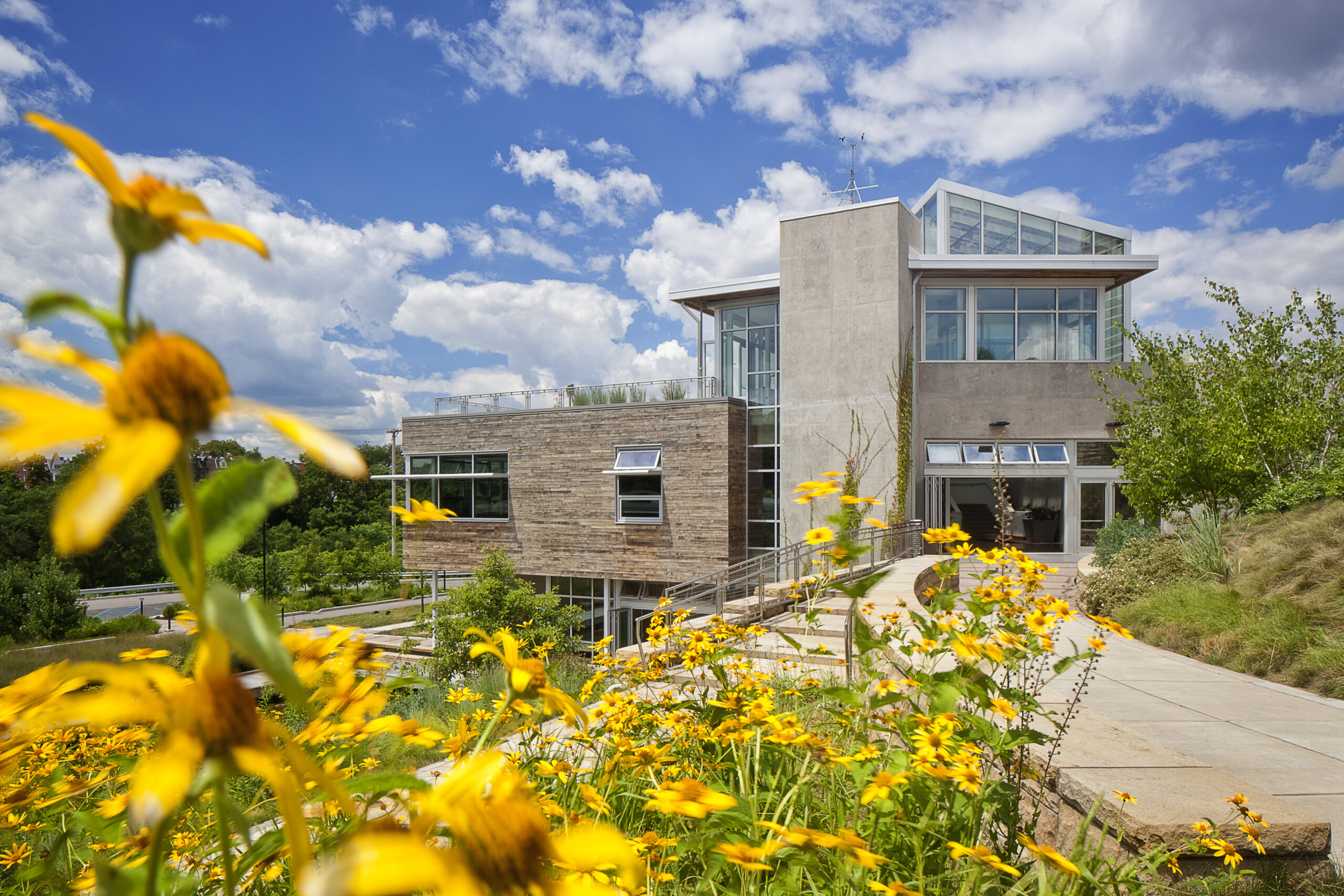
Phipps Center for Sustainable Landscapes | Photo by Denmarsh Photography Inc
We see ourselves as part of nature and work to understand the different relationships we have with each other, with other species, and with everything else on the planet. The Challenge goes way beyond just buildings. It’s what inspired us to begin questioning the metrics we use for measuring success.
Question: You were at Greenbuild in 2006 when Jason F. McLennan first introduced the Living Building Challenge. How did it strike you as different from other green building approaches that you were already familiar with, and why did it inspire you to pivot your plans for Phipps’ next campus structure?
RP: We were already thinking in systems and trying to understand how a building can interact with the environment and people. The Living Building Challenge put that all that together. Rather than focusing only on building efficiency, it was more holistic, looking at a building as something that exists within a larger context.
Q:To what degree would you credit the LBC for helping launch Phipps’ era of regenerative thinking?
RP: It had a huge impact; it really opened our minds to start thinking about things in a different way. We began to see this concept as relevant not only to buildings but to everything else we do. It just innately resonates with us, so it was an easy leap once we began to embrace it. It started with the CSL, of course, but then we realized we could incorporate regenerative thinking into all of our work – whether it’s building projects, operations, or specific programs. We see ourselves as part of nature and work to understand the different relationships we have with each other, with other species, and with everything else on the planet. The Challenge goes way beyond just buildings. It’s what inspired us to begin questioning the metrics we use for measuring success.
Q: The CSL was one of the first structures in the world to be certified as a Living Building. In the years since, have other project teams turned to you for guidance?
RP:Yes, quite often. People reach out wanting to see the CSL firsthand and learn about the challenges and lessons that came with creating it. And we are always happy to share our experience. Over the years, it’s been encouraging to see more organizations pursue ambitious sustainability goals of their own, and we’d like to think the CSL has contributed to that broader conversation.
Q: In addition to your role at Phipps, you’ve also served in leadership at Living Future. How have you seen the organization evolve over the years?
RP: The organization has really expanded the opportunities it gives for more people to be engaged based on different types of building projects they want to pursue. But also, and this is so important, it now lets people apply those same principles to other aspects that complement the Challenge – like Declare, Zero Energy, Zero Carbon, and other certification programs.
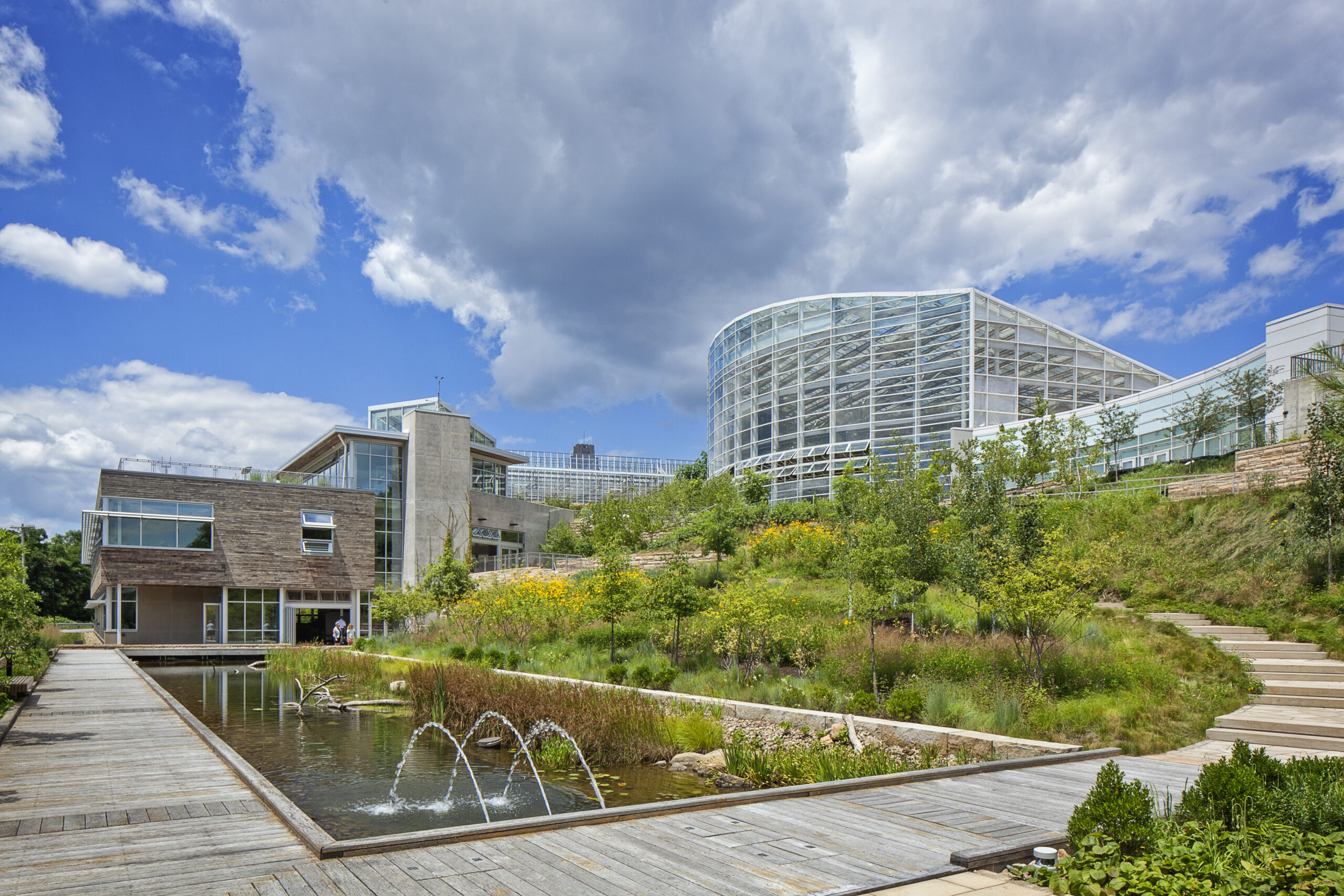
Phipps Center for Sustainable Landscapes | Photo by Denmarsh Photography IncPhipps Exhibit Staging Center
The Challenge helps us see how to live in harmony with nature and find our place on the planet. Why wouldn’t we want buildings that make their own energy, treat their own water, embrace local ecologies, provide habitats for other species, and provide healthier places for people?
Q: What would you say to other organizational leaders, whether they’re from the nonprofit, institutional, or corporate sector, who might be considering the LBC for their own built environments?
RP: Well, that would be a really long answer. But it comes down to this: We need to get away from the extractive way of looking at the world where resources are there for the taking. We need to figure out how to live in a way that ensures that there will be resources for future generations. The Challenge helps us see how to live in harmony with nature and find our place on the planet. Why wouldn’t we want buildings that make their own energy, treat their own water, embrace local ecologies, provide habitats for other species, and provide healthier places for people? The LBC doesn’t ask us to give things up and be uncomfortable. It asks us to imagine the best possible built environment then shows us how to create exactly that. That’s why people should embrace the Living Building Challenge. Because it’s just so much better than anything else there is.
Q: What advice would you give those who are new to the LBC community, and who might assume it’s too difficult or expensive to accomplish?
RP: I always encourage people to visit Living Buildings, talk to project teams, and really learn how it’s done. Also, get involved in the conversation by going to local and national Living Future gatherings. Don’t let extractive ways of measuring success limit your potential. And don’t get bogged down by first costs, because they usually externalize the most important costs – like the effects traditional buildings have on the environment and on marginalized communities. Sometimes those projects appear cheaper on the surface, but when you start to look at the real and long-term total costs, including operating costs, a Living Building makes so much more sense.
Q: The LBC has informed your work at Phipps for twenty years and counting. How would you summarize your relationship with the Challenge and the ideas it represents?
RP: It’s helped strengthen my organization, both now and for the future. It’s deeply satisfying to know that the work we’re doing at Phipps can be at this level. The Challenge helps us see ourselves as part of nature; it encourages us to do everything we can to protect the environment. And it reminds us that regenerative thinking doesn’t stop with buildings. It encourages us to dig into the core of what we do every day. I’d say that being introduced to the Living Building Challenge and regenerative thinking has been the most important thing that’s happened in my career.
Phipps Center for Sustainable Landscapes | Photo by Paul G Wiegman
Coming Fall 2026! Richard Piacentini’s upcoming bookwill share the inspiring evolution of Phipps and the lessons it offers for leaders seeking to build organizations that flourish as living systems. Blending stories, strategy, and decades of experience, it will inspire readers to move beyond sustainability toward a more regenerative future.
This article is part of a special 20th anniversary series celebrating two decades of the Living Building Challenge. Through reflections from contributors, practitioners, and project teams, we explore lessons from landmark projects, examine the program’s influence on the built environment, and consider what comes next for regenerative design.
Mary Adam Thomas
Mary Adam Thomas is the author of many books in the Ecotone library, including Building in Bloom: The Making of the Center for Sustainable Landscapes at Phipps Conservatory and Botanical Gardens.
Equity
12 Themes for Elevating Equity in the Built Enviro…
Equity
Intentional Sourcing: Wood for Regenerative Buildi…
ILFI uses cookies to help provide you with the best possible online experience. Please read our Privacy Notice for information about which cookies we use and what information we collect on Living-Future.org. By continuing to use this site, you agree that we may store and access cookies on your device.