
Intentional Sourcing: Wood for Regenerative Buildings
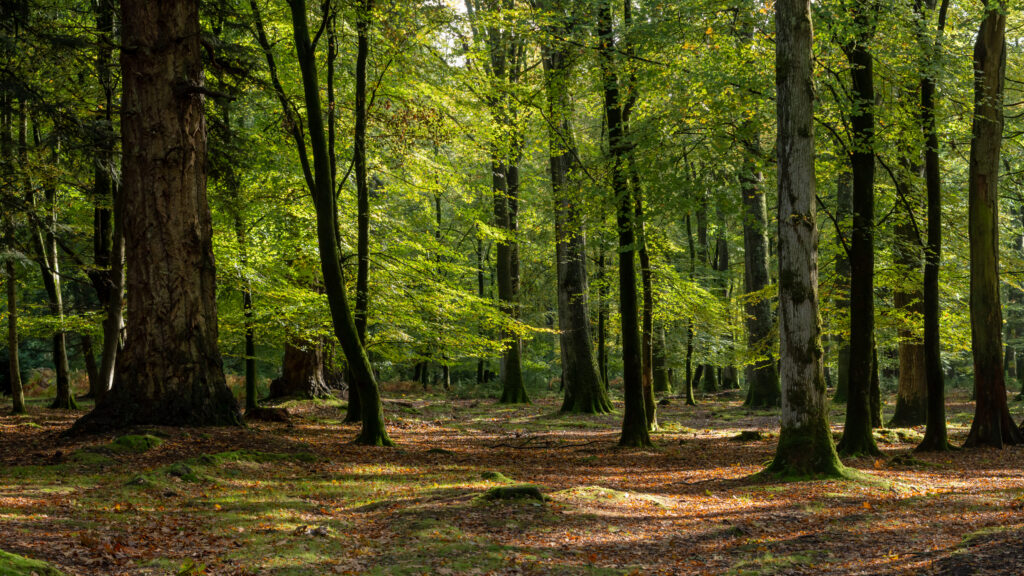
For buildings, the story of a material begins long before it ever reaches a project site. For wood, that story begins in a forest: a living system that filters drinking water, stores carbon, provides habitat, and sustains communities and cultures across generations. Forests are more than sources of building materials—they are complex ecosystems that sustain life.
Wood has become one of the defining materials of the sustainability movement. Its ability to store carbon, regrow, and support countless design applications has made it central to the pursuit of better buildings. But as demand grows, so does an important question: how do we know whether the wood we specify is truly good for the places it came from?
How do we know whether the wood we specify is truly good for the places it came from?
Certification systems provide valuable guidance, but they were not designed to capture every form of responsible stewardship happening across North America’s forests. From Indigenous land management practices to small community forests balancing ecological health with local economies, many approaches to forest stewardship do not fit neatly within existing frameworks. As the demand for wood continues to increase, we need a fuller understanding of what responsible sourcing can mean. This is exactly the kind of question we think regenerative design exists to ask.
Looking Beyond the Material
At Living Future, we have never believed buildings should simply do less harm. We believe they should actively strengthen the systems they depend on. That means looking beyond a material’s performance within a building and considering the health of the ecosystem it came from.
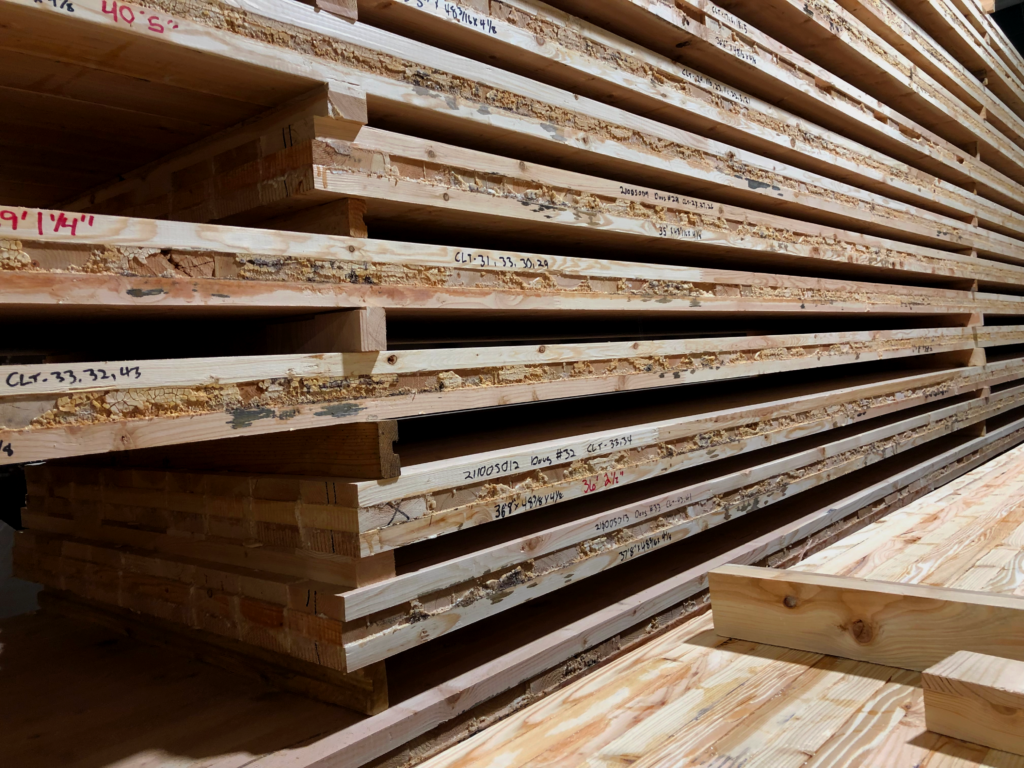
Wood makes this philosophy tangible. Unlike steel or concrete, wood comes from a living, managed landscape. Every board reflects a series of decisions about who stewards that land, how it is cared for, and what values guide that stewardship.
This is the thinking behind our newest report on regenerative wood sourcing. Building on the pathways already recognized by the Living Building Challenge, including FSC certification and reclaimed and salvaged wood, the report asks a larger question: what else counts?
- What happens when we talk to foresters, ecologists, Tribal members, manufacturers, and other experts about how they define good stewardship?
- What forms of forest management are already delivering ecological and community benefits but do not fit neatly into existing procurement checklists?
- And what would it take to make the connection between a finished wood product and the forest it came from visible again, rather than lost somewhere along the supply chain?
Expanding the Definition of Responsible Sourcing
This paper does not propose replacing approaches that are already working. Instead, it seeks to expand the conversation by offering project teams a way to recognize a broader range of stewardship practices while maintaining a commitment to transparency, accountability, and ecological integrity.
This work grew from conversations with foresters, ecologists, Tribal members, manufacturers, and project teams who generously shared their knowledge and perspectives. We’re grateful for their contributions and the opportunity to learn from their experiences.
Regenerative buildings do not begin when construction starts. They begin with the landscapes that make them possible and with the choices we make about how we source from them.
Regenerative buildings do not begin when construction starts. They begin with the landscapes that make them possible and with the choices we make about how we source from them. We invite you to read the report and join the conversation about what regenerative wood sourcing can become.